Across universities and research institutions, breakthrough solutions are being developed every year. Engineers refine promising prototypes, and startup teams design technologies with the power to transform sectors like healthcare, agriculture, and industry. On the surface, it looks like innovation is thriving.
But somewhere along the journey, many of these ideas lose momentum. Not because they lack value, talent, or relevance, but because they encounter the most difficult stage of innovation: the transition from a working prototype to a solution that can survive in the real market.
It is in this critical, often overlooked phase that progress slows, opportunities fade, and strong innovations risk being left behind.
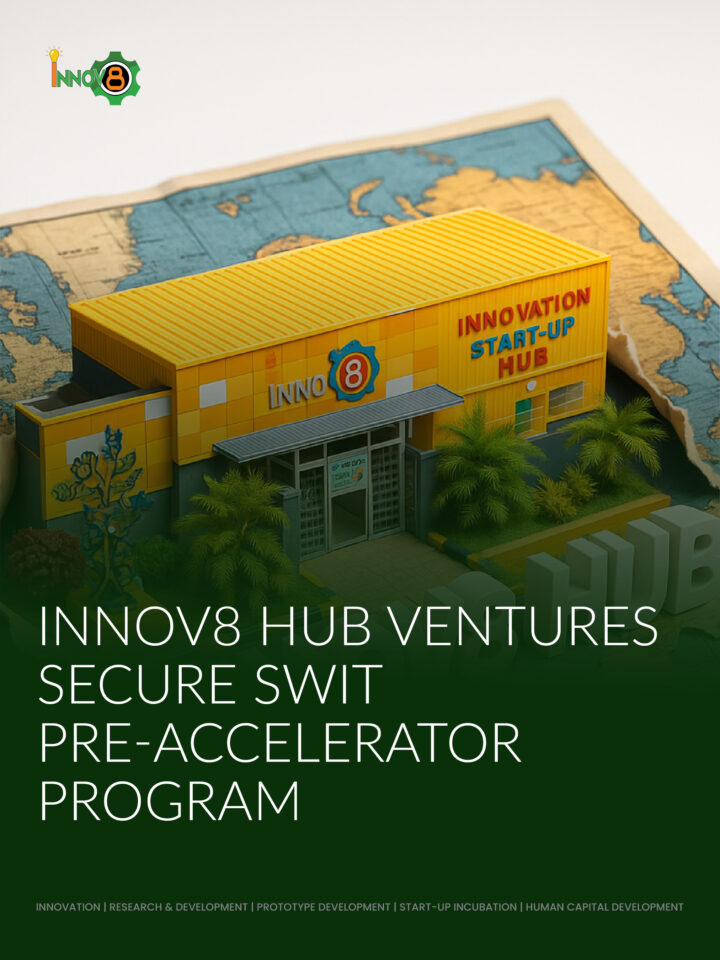
This is the gap Innov8 Hub was built to solve.
Beyond Incubation: Building a Venture Advancement System
Traditional innovation programs often end at early-stage support; ideation workshops, pitch days, or basic incubation. Innov8 Hub operates differently.
Through its Programs & Ventures ecosystem, the Hub runs a venture advancement pipeline designed to move startups through critical growth stages:
Prototype → Market Readiness → Investment Engagement → Industry Integration
This system provides more than advice. Startups gain:
- Hands-on product and prototype development support
- Technical labs and engineering infrastructure
- Industry validation and MVP refinement
- Business structuring and commercialization guidance
- Ecosystem and investor access
The goal is clear: ensure innovations don’t die in transition.
Proof of Impact: Four Ventures Move Into Deep-Tech Commercialization
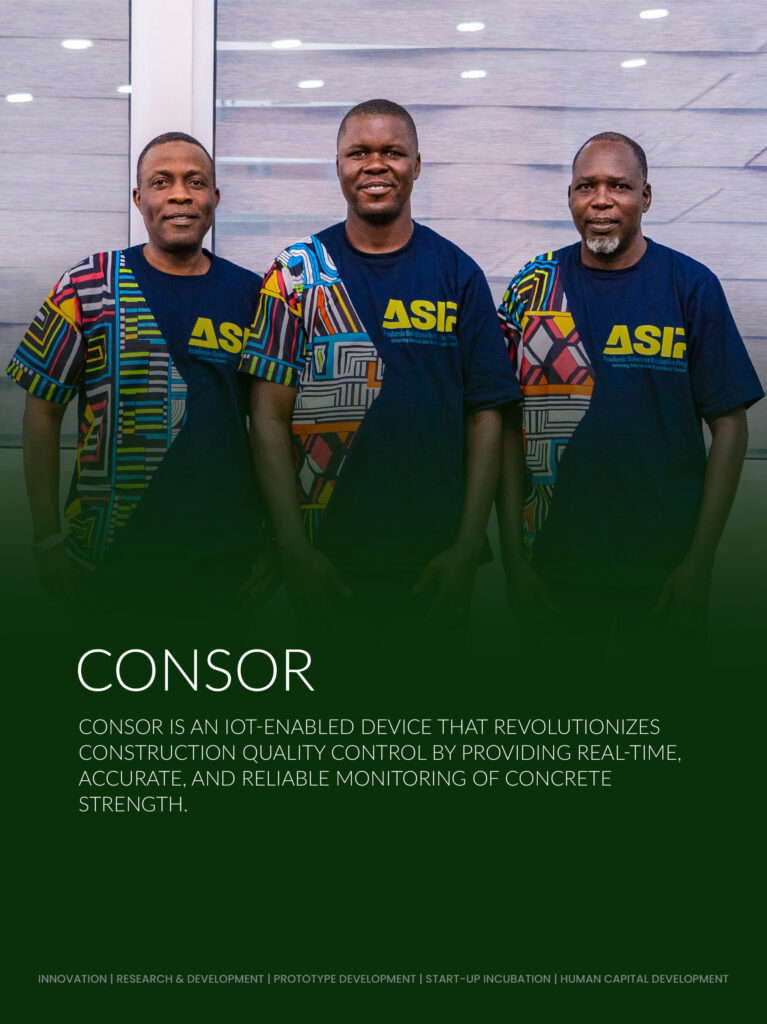
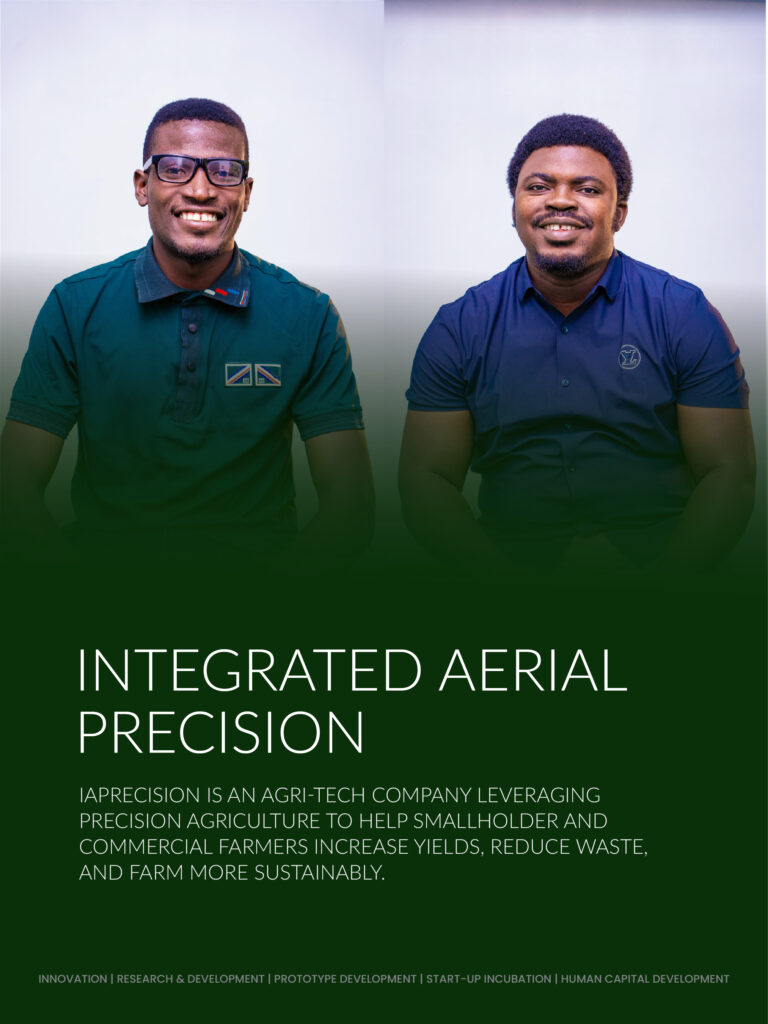
That model is now producing visible results. Four ventures supported through Innov8 Hub’s ecosystem (Consor, CoolTech, EpochZero, and Integrated Aerial Precision) have secured placement in a leading deep-tech commercialization accelerator backed by a major regional investment group.
This milestone represents more than a startup achievement. It demonstrates that Nigerian innovations, when supported by the right structures, can successfully transition into formal commercialization pathways.


Turning Academic Research into Economic Value
Two of the selected ventures emerged from Innov8 Hub’s academic commercialization track. This pathway supports research teams from tertiary institutions in transforming technical outputs into market-validated products.
Nigeria produces strong academic research, but commercialization pathways remain limited. By providing industry expert reviews, product–market validation, and structured venture development, Innov8 Hub converts research into enterprises capable of attracting investment and entering markets.
This is how knowledge begins contributing directly to economic systems.
The other two ventures progressed through Innov8 Hub’s hands-on deep-tech development initiative, which provides startups with engineering support, access to prototyping facilities, and structured business development.
The emphasis is on execution, ensuring technologies are functional, testable, and ready for real-world deployment.
Why This Milestone Matters
The progression of these four ventures into structured commercialization signals a broader shift: Nigeria’s innovation ecosystem is maturing from isolated programs into connected systems where research, technology development, and investment pathways align.
Innov8 Hub’s role in this shift is as infrastructure; the system that ensures innovations move forward instead of stalling.
From Innovation to Economic Participation
When startups cross the commercialization gap, the impact extends beyond the founders:
- Research translates into enterprise
- Technology strengthens healthcare systems
- Innovation increases agricultural productivity
- Ventures attract capital and create economic activity
This is how innovation contributes to national development; not as events or ideas, but as market-integrated ventures.