I used to think the problem was grades.
If students were struggling, it meant they weren’t studying hard enough.
If they graduated confused, maybe they didn’t plan well enough.
But the longer I stayed in school, the clearer it became: the system wasn’t designed for holistic growth.
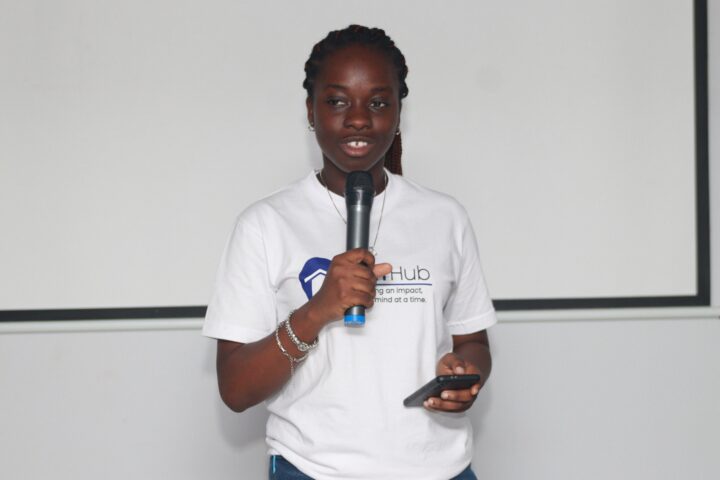
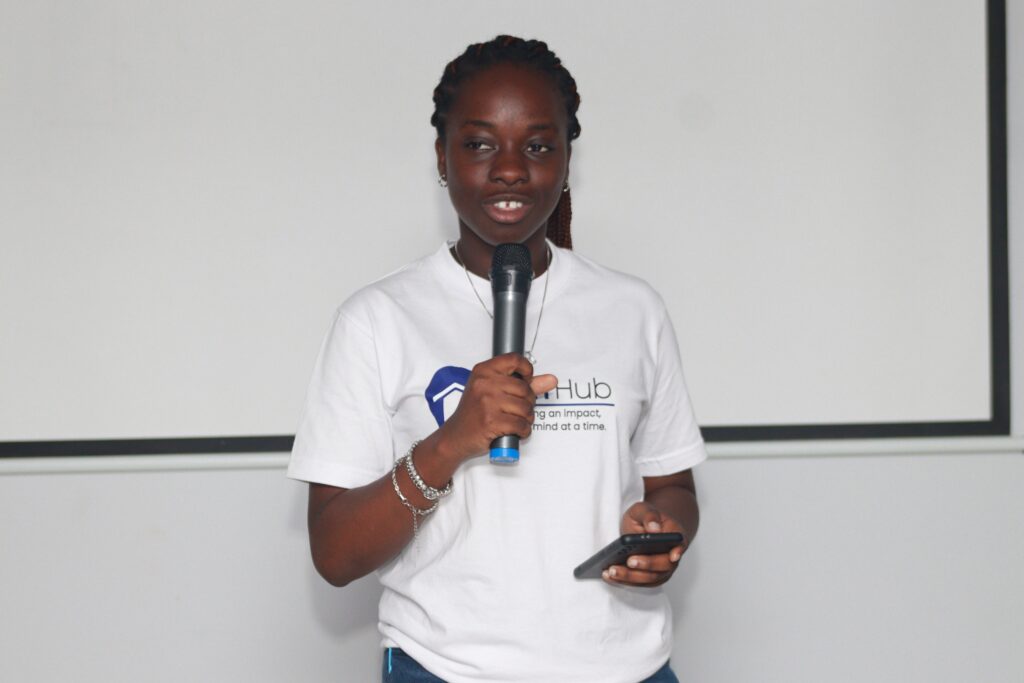
I’m ThankGod Emmanuella Tochi, a Mechatronics Engineering undergraduate at Nile University of Nigeria, and I’m building TET Hub — a student-focused education and personal development platform helping students navigate academics intentionally while discovering and developing their potential.
Because education should not end at passing exams.
Across campuses, I saw brilliant students overwhelmed by academic pressure, lacking guidance, and graduating without clarity on their purpose or how to apply what they had learned. The structure emphasized grades, but often ignored growth. It rewarded performance, but rarely nurtured direction.
And that gap has consequences.
Quality education (as captured in SDG 4) is not just about access to classrooms. It is about inclusive, equitable education that equips people with relevant skills for real-world impact. If students leave school without clarity, confidence, or applicable skills, then we are not truly delivering quality education.
That realization shaped TET Hub.
We combine academic support, such as tutorials, study guides, and structured learning systems, with mentorship, leadership development, and personal growth initiatives. The goal is simple: help students learn intentionally, discover their strengths, and translate education into impact.
But building this while being a student hasn’t been easy.
One of the hardest lessons I had to learn was delegation. At first, I carried everything alone (planning, coordination, execution) because I believed that was the only way to ensure quality. It led to burnout and slower progress. Limited resources made it harder. Every program required creativity, sacrifice, and stretching what we had.
There was a moment I almost stopped.
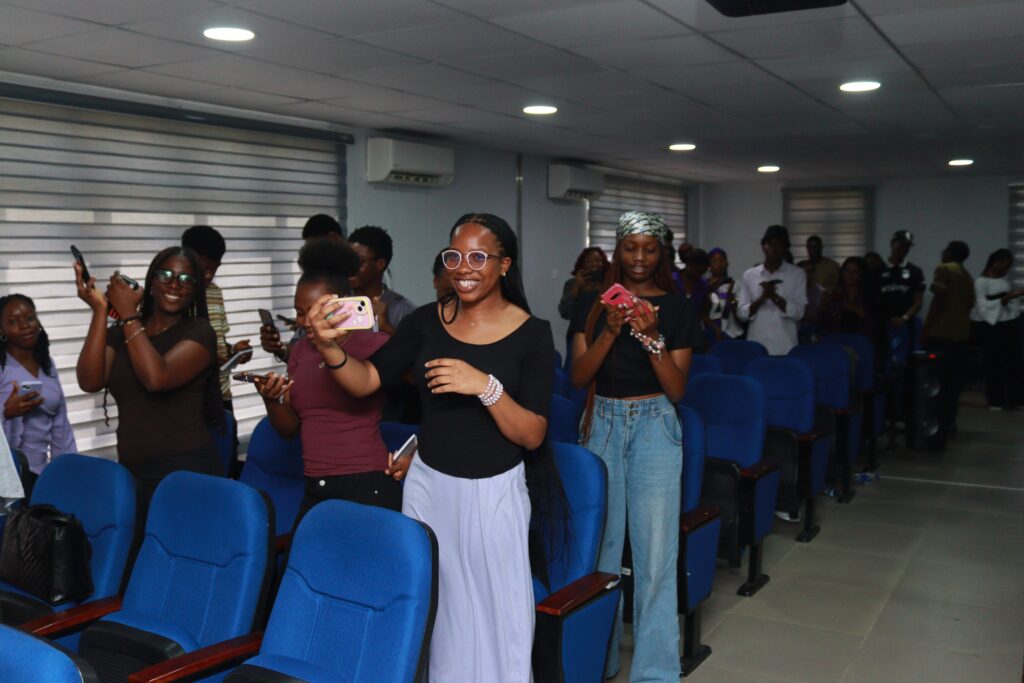
During our second annual event, I had invested time, energy, and resources expecting over 100 attendees based on publicity traction. We barely had 50. Many left early due to class clashes. I was disappointed. I questioned myself. I questioned the vision.
But I remembered why TET Hub exists.
It exists because students deserve more than survival mode.
It exists because growth requires structure.
It exists because purpose needs guidance.
Instead of quitting, I refined our strategy. We improved our systems. The following year, we showed up stronger — and the results exceeded my expectations.
Through this journey, I’ve learned one thing clearly:
You must know your WHY.
Without it, challenges feel bigger than your capacity. With it, even setbacks become lessons.
TET Hub is still growing, but every student who gains clarity, every mentee who discovers their strength, every young person who begins to see education as a tool for impact — that is proof that the work matters.
Because quality education is not just about what happens in lecture halls.
It’s about who students become after they leave them.
And I’m committed to building a system that helps them become more.
This story is part of the Innov8 Student Founders Network, where we spotlight student innovators building solutions that matter.
Are you a student founder? Are you interested in sharing your story to inspire others? Follow the link to send us your story.