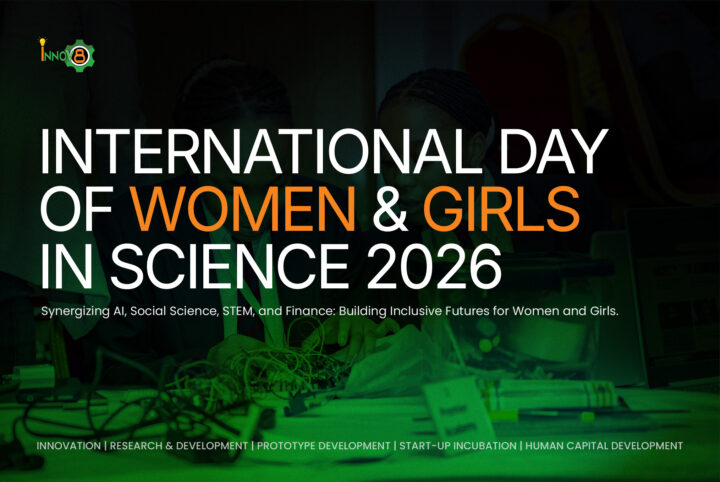
On February 11, 2026, the world once again marks the International Day of Women and Girls in Science; a day set aside not only to celebrate progress, but to confront a deeper question: what does it truly take to build an inclusive future?
This year’s theme, “Synergizing AI, Social Science, STEM, and Finance: Building Inclusive Futures for Women and Girls,” pushes the conversation beyond visibility. It asks us to rethink how innovation itself is designed.
For years, the global focus has been on increasing the number of women and girls in STEM fields. Access to classrooms, laboratories, leadership roles, and research funding has rightly been prioritized. Yet as technology advances and systems become more complex, a new reality is emerging: representation alone is not enough. Inclusion must be built into the architecture of innovation.
Artificial intelligence is transforming how decisions are made. Scientific research is redefining industries. Financial systems determine which ideas survive and which disappear. Social science shapes policy, behavior, and public trust. Each of these fields holds power. But when they operate in isolation, they often reinforce the very inequalities they seek to solve.
An AI system developed without social context can unintentionally embed bias. Research that never connects to capital remains theoretical. Funding that overlooks gender realities widens opportunity gaps. Policy that ignores technological evolution becomes obsolete.
The theme of International Day of Women and Girls in Science 2026 recognizes that progress does not come from one discipline acting alone. It emerges when disciplines converge, when knowledge, technology, human insight, and financial strategy align.
This is where innovation ecosystems matter.
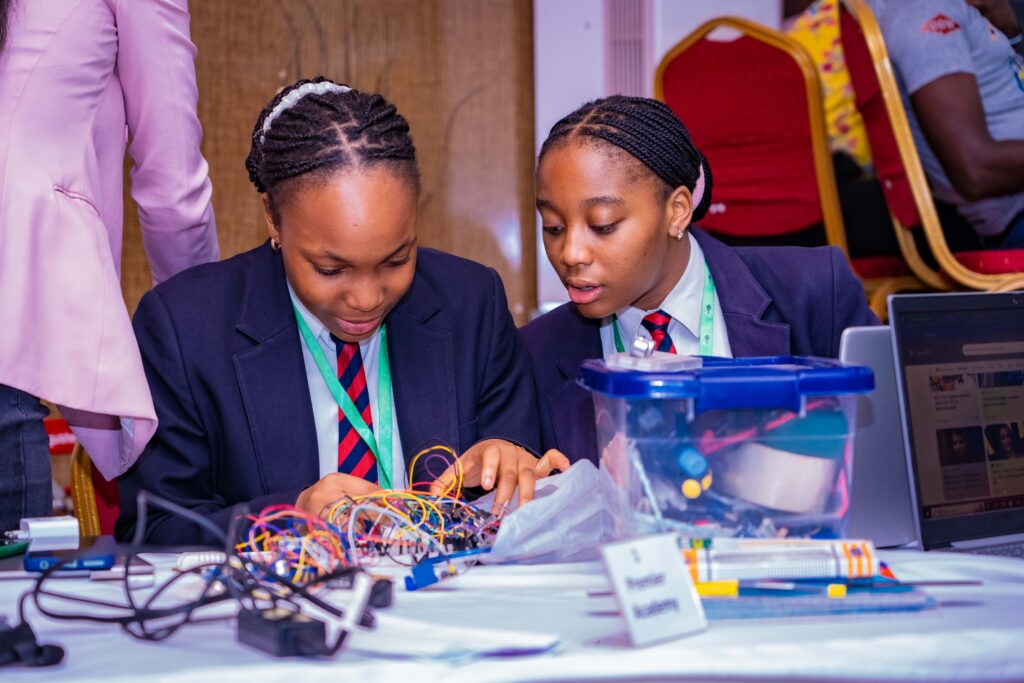
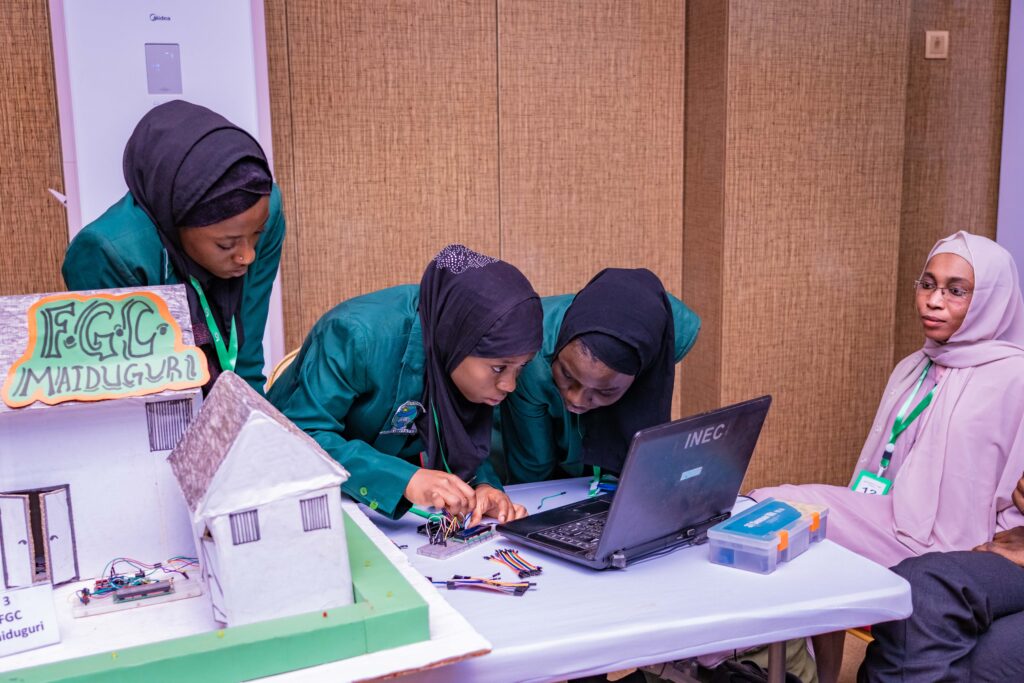
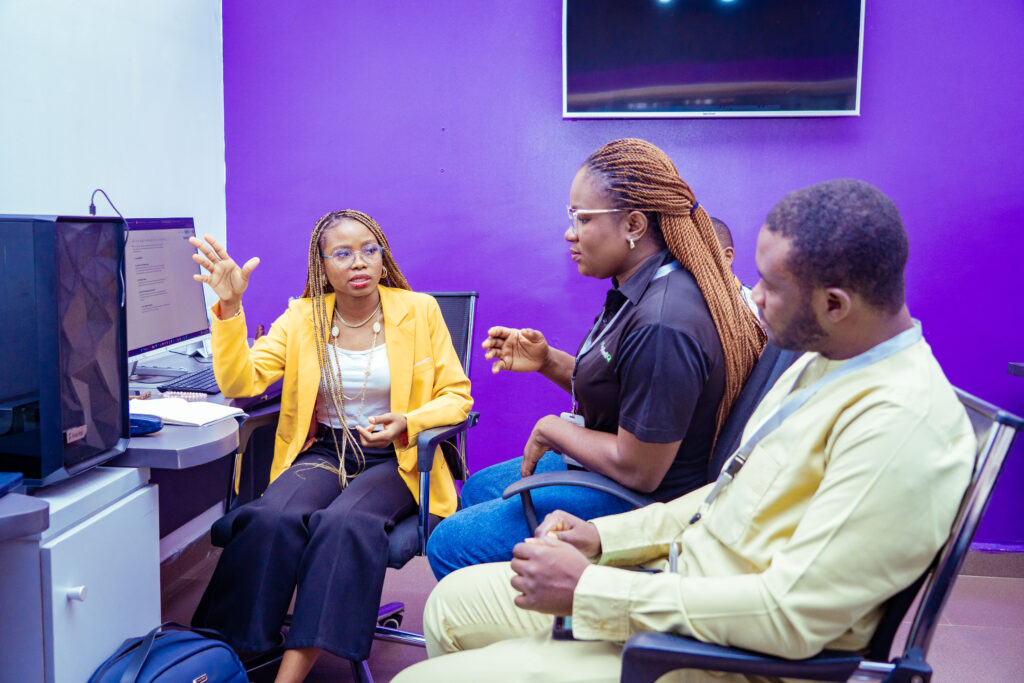
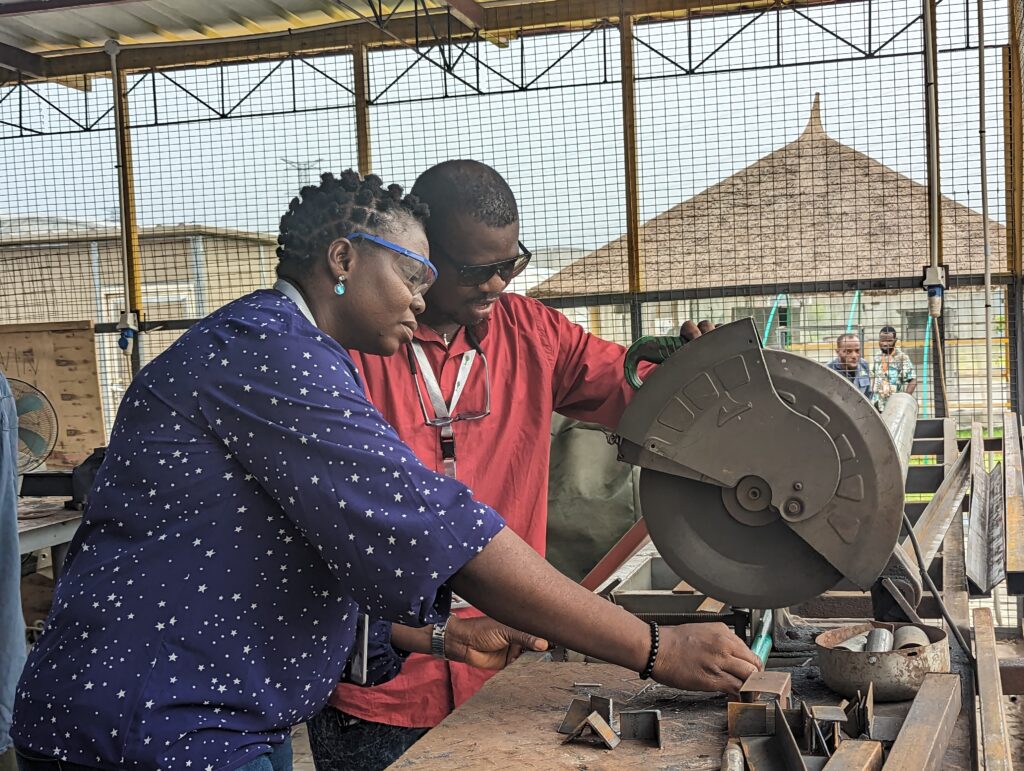
At Innov8 Hub, innovation is not seen as a single breakthrough or a standalone project. It is understood as a system. Researchers generate insight, technologists translate ideas into tools, social experts ensure those tools are grounded in lived realities, and financial actors enable sustainable scale. When these elements connect intentionally, innovation stops being fragmented and starts becoming transformative.
Consider the journey of an idea designed to improve economic participation for women. It begins with research identifying a structural gap. It evolves through technological development that offers a practical solution. It gains relevance when informed by social context and community realities. And it reaches scale only when supported by strategic funding and investment. Remove any one of these components, and the impact weakens.
Building inclusive futures for women and girls requires more than technical excellence. It requires deliberate collaboration across disciplines and a shared commitment to equity from the outset.
The International Day of Women and Girls in Science 2026 is therefore not simply a celebration of women in laboratories or tech hubs. It is a reminder that women are shaping the systems that define the future. They are leading research agendas, designing AI responsibly, influencing policy frameworks, and directing capital toward inclusive solutions. They are not just participants in innovation; they are architects of it.
As the pace of technological advancement accelerates, the responsibility to ensure that progress benefits everyone grows equally urgent. Inclusion cannot be retrofitted. It must be embedded.
The future will not be built by artificial intelligence alone, nor by research, nor by funding in isolation. It will be built through synergy, where disciplines strengthen one another and where women and girls are central to decision-making, not peripheral to it.
On this International Day of Women and Girls in Science 2026, the message is clear: when AI, STEM, social science, and finance work together, innovation becomes more ethical, more scalable, and more inclusive.
And when inclusion is designed from the start, the future works better for everyone.